PVC cards are widely used, such as employee ID cards, student IDs, membership cards, hotel room keys, etc. Their standard size is 85.5 × 54 × 0.76 mm (length × width × thickness), and they are favored for their durability, water resistance, and smooth surface. Printing on PVC cards differs significantly from paper printing because the non-porous surface of PVC hinders ink absorption. Whether you are producing simple bulk cards or personalized ID cards, understanding the correct printing methods is key to achieving high-quality print results. This guide details some of the most commonly used printing techniques, along with their advantages, disadvantages, and ideal uses.
1. Screen Printing
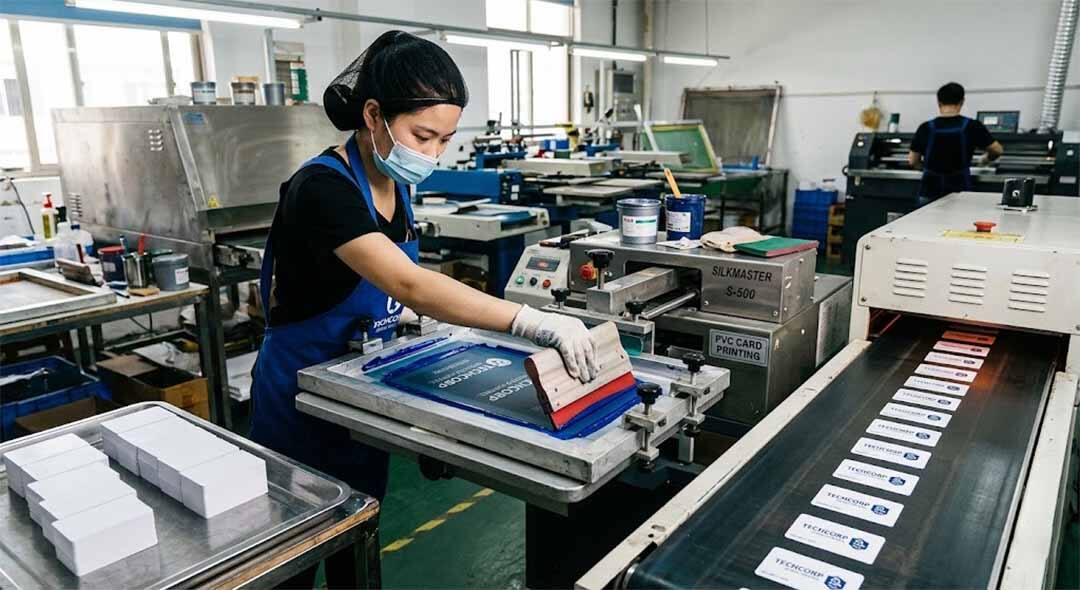
Screen printing is a traditional and affordable method for printing PVC cards, requiring minimal equipment investment. It uses a mesh template to force ink onto the PVC surface, making it ideal for printing solid colors, simple text, logos, or signature panels on the back of ID cards.
Advantages: Low cost for high-volume printing, vibrant colors, good adhesion, and durability.
Disadvantages: Not suitable for high-resolution color photographs or complex gradients; relatively simple designs.
Best for: VIP membership cards, discount cards, and bulk cards with basic graphics.
2. Offset Printing
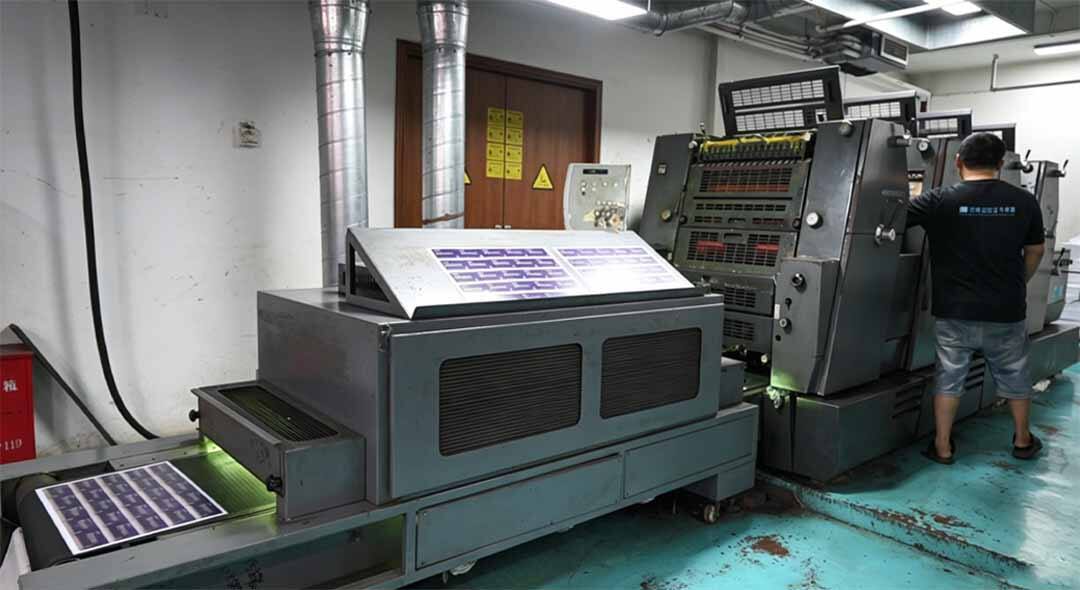
Offset printing is the preferred printing method for high-volume full-color PVC cards (such as phone cards, bank cards, and IC cards). It uses a four-color (CMYK) offset printing press to print on a single layer of PVC sheet, followed by lamination, die-cutting, and post-processing steps such as magnetic stripe coding or embossing.
Advantages: Suitable for mass production, stable color quality, clear details, and lower unit price for large orders.
Disadvantages: High initial equipment costs; unable to print variable data (e.g., unique photos/names) on each card.
Best for: Standardized cards with identical designs, such as membership cards and gift cards.
3. UV Printing
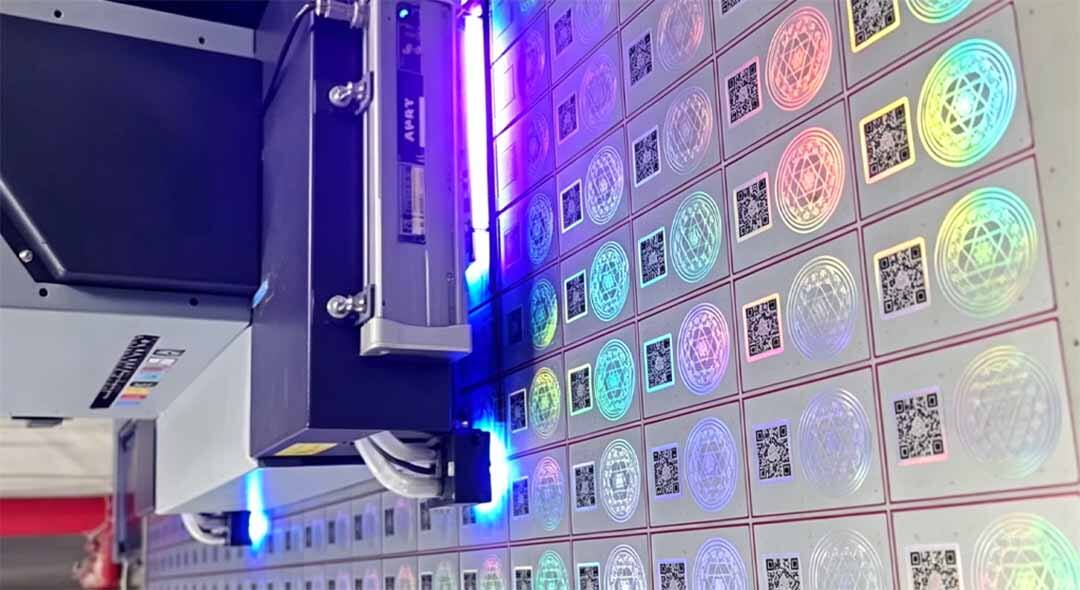
UV printing uses UV-cured inks and LED lights to allow the ink to dry instantly on PVC. Screen printing is a popular choice for adding texture and depth, often used for printing logos or creating a glossy, high-end effect.
Advantages: Quick-drying, scratch-resistant, vibrant colors, and enhances card texture.
Disadvantages: Higher cost than screen printing; mainly used for decoration or highlighting elements.
Best suited for: High-end VIP cards, premium membership badges, and brand promotional cards.
4. Hot Foil (Gold/Silver)
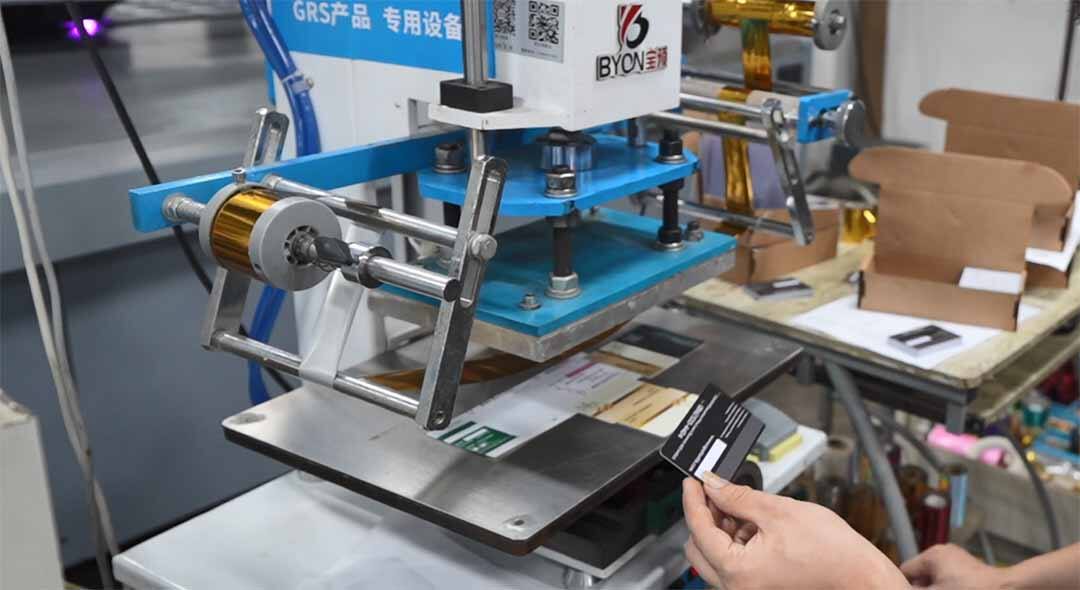
Hot foil transfer uses a heated metal mold to transfer metallic foil (gold/silver) onto PVC, creating eye-catching, shiny text or designs.
Advantages: Significant metallic sheen, enhances card value, and is durable.
Disadvantages: Limited to foil color; not suitable for complex full-color designs.
Best suited for: High-end VIP cards, premium discount cards, and anniversary badges.
5. Digital Printing (for Personalized ID Cards)
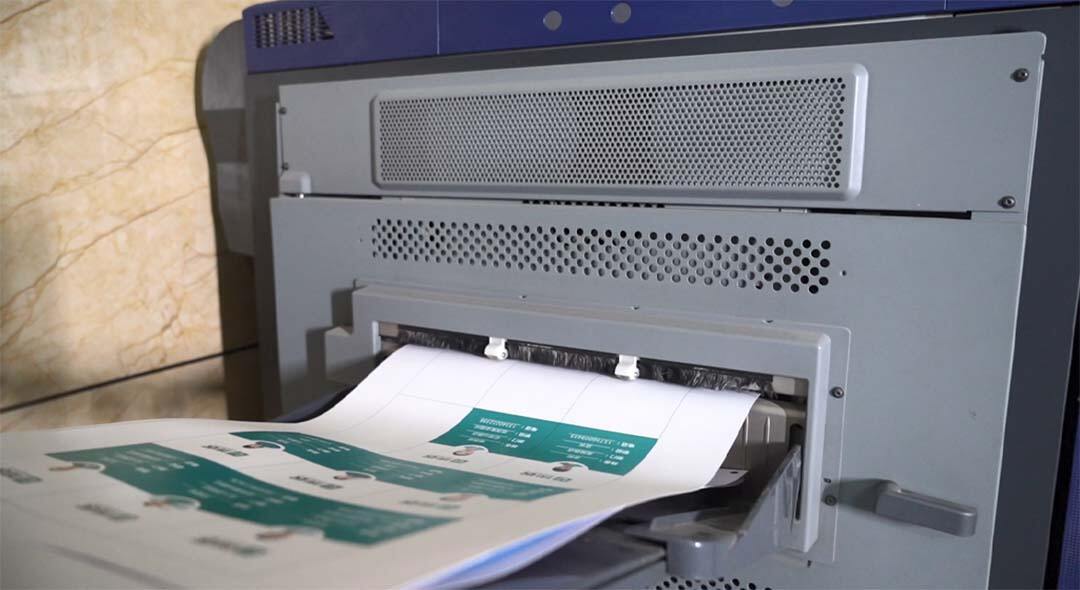
Digital printing is suitable for customized PVC photo ID cards, each containing unique data (photo, name, employee number, barcode).
Tips:
File Format: Use vector files (CDR, AI, EPS, PDF) for sharp images; image resolution must be at least 300 DPI.
Color Mode: Use CMYK color mode (not RGB) for accurate printing colors.
Card Preparation: Use standard 0.76 mm PVC cards; choose glossy/matte finish according to the design.
In summary, the success of PVC card printing ultimately depends on your batch size, design complexity, personalization needs, and budget. For simple batches of cards, screen printing or offset printing are the best options. For advanced finishes, try UV coating or hot stamping. For personalized photo IDs, digital printing is advisably.
FAQ
1. How to print on PVC cards?
PVC cards can be printed using several methods, including screen printing, offset printing, UV printing, hot foil stamping, and digital printing. The best method depends on your design, quantity, and personalization requirements.
2. What is the best method for PVC card printing?
For bulk production, offset printing is the most efficient and cost-effective method. For personalized cards with photos or variable data, digital printing is the preferred option.
3. Can a regular printer print PVC cards?
Most standard paper printers cannot print directly on PVC cards. Specialized PVC card printers or industrial printing equipment are required for durable, high-quality results.
4. What file format should I use for printing PVC cards?
Vector formats such as AI, CDR, EPS, or PDF are recommended. Images should be at least 300 DPI to ensure clear and sharp printing quality.
5. Which color mode is best for PVC card printing?
CMYK color mode should always be used for PVC card printing because it provides accurate print colors. RGB is designed for screens and may cause color differences after printing.
6. What thickness is standard for PVC cards?
The standard PVC card thickness is 0.76 mm (30 mil), which is commonly used for ID cards, membership cards, and access cards.
7. Is UV printing suitable for PVC cards?
Yes. UV printing is widely used for PVC cards because it dries instantly, offers vibrant colors, and creates scratch-resistant, high-end finishes.
8. What is the advantage of screen printing on PVC cards?
Screen printing is affordable for large quantities and works well for simple logos, text, and solid-color designs. It also provides excellent ink adhesion and durability.
9. Can PVC cards include personalized information?
Yes. Digital PVC card printing allows each card to contain unique information such as names, photos, QR codes, barcodes, or employee numbers.
10. What is hot foil stamping on PVC cards?
Hot foil stamping transfers metallic gold or silver foil onto the card surface using heat and pressure. It creates a luxury appearance often used for VIP and premium membership cards.
11. Are printed PVC cards waterproof?
Yes. PVC cards are naturally waterproof, durable, and resistant to wear, making them ideal for long-term daily use.
12. What finish options are available for PVC cards?
PVC cards are available in glossy, matte, frosted, or textured finishes, depending on the desired appearance and application.
13. How durable is PVC card printing?
Professional PVC card printing is highly durable. Methods like UV printing and lamination help protect the design from scratches, fading, and daily handling.
14. What are PVC cards commonly used for?
PVC cards are widely used for employee ID cards, student cards, hotel key cards, loyalty cards, gift cards, access control cards, and membership cards.
15. How do I choose the right PVC card printing method?
Choose based on your needs:
Screen printing for simple bulk cards
Offset printing for large full-color orders
UV printing for premium effects
Hot foil for luxury finishes
Digital printing for personalized ID cards

COLUF specialize in plastic printing, RFID solutions, and commercial printing services for global businesses.
Copyright © Chongqing Colorful Technology Co., Ltd. All Rights Reserved
 EN
EN